




In the age of the internet, social media, AI, and algorithms, how can the we protect our freedom of expression as granted by the First Amendment?
Read MoreLaw and Order
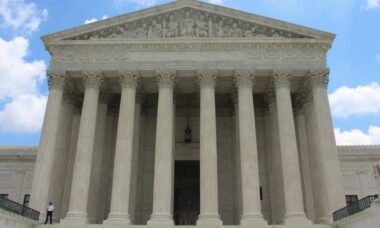
The Supreme Court: Beyond Its Decisions
the Supreme Court holds a unique place: a body with the final word on constitutional questions, yet one without an army or enforcement power of its own. Its authority rests not on ballots or budget, but on the trust of the people.
Read More
National Freedom Day and the Thirteenth Amendment
The Thirteenth Amendment abolished slavery and set a constitutional foundation for future legal and civic progress. How does this annual commemoration light the way as we chart America’s future?
Read More
Everyday-Voices Shaping Extraordinary
In the U.S., federal rulemaking can feel distant, technical, and dominated by experts. But did you know, embedded in the federal process there is a remarkable democratic tool? And it’s called, “Public Comment”.
Read More
Governing for the Next Generation
When government policies, federal debt, and long term planning projects span generations, what does it mean for a government to govern for future generations who aren’t yet born?
Read More
250 Years of Prayer
For 250 years, prayer has shaped the nation in times of uncertainty, grief, and moral evaluation. As the nation faces the next quarter-millennia, prayer is the cornerstone of hope for the future.
Read More
Managing Trust in Government
Foundational trust in government matters for the smooth functioning of civic life. Yet data shows that less than 20% of Americans trust the federal government and civic trust has been declining for decades. How can the government restore that trust?
Read More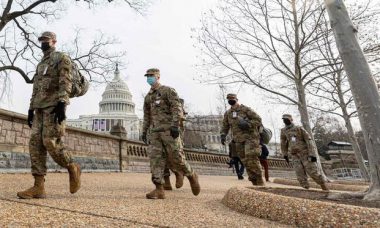
Exercising Emergency Powers Responsibly – Part 2
Crises test more than an administration’s technical readiness; they test the nation’s character and its commitment to governing with integrity. When emergencies strike, what choices can leaders make to foster cooperation and maintain a government of the people?
Read More
Emergency Powers and Guarding Liberty – Part 1
How are emergency powers are defined, constrained, and used in limited scope? How can the nation maintain the balance of urgent response to crises while protecting liberty and accountability?
Read More
Federal Transparency in the Modern Age
Government transparency is a promise that public institutions operate openly, decisions aren’t hidden, and power is held to sight rather than to speculation. In an age of increasing technological advancement and cyber warfare, what is the future of federal transparency?
Read More