


After decades of debates about local control and federal involvement, the U.S. education system continues to balance the two competing priorities. What does this mean for students, policymakers, and people of faith?
Read MoreGovernment Spending

National Education Reform – Part 1
Who gets to decide what students learn? Should curriculum standards be national or state-led? What happens when local schools fall behind national averages? The balance between federal oversight and local control has already shaped the nation’s classrooms for generations. What does the future have in store for the next generation?
Read More
Federal Transparency in the Modern Age
Government transparency is a promise that public institutions operate openly, decisions aren’t hidden, and power is held to sight rather than to speculation. In an age of increasing technological advancement and cyber warfare, what is the future of federal transparency?
Read More
Federal Aid and Assistance Programs
Federal assistance programs are more than government policies as they can be lifelines during difficult seasons. What role does federal aid play in shaping the everyday lives of Americans, and how far does its reach truly extend?
Read More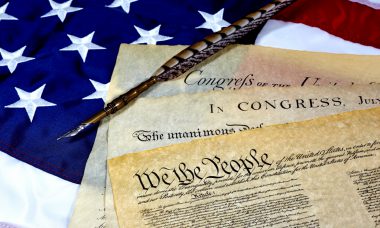
Keeping Government Authority in Check
While the Constitution created systems to limit centralized control, nothing can be immune to weakness or exploitation. Checks and balances require not only written rules but active participation from leaders, institutions, and the public it should protect.
Read More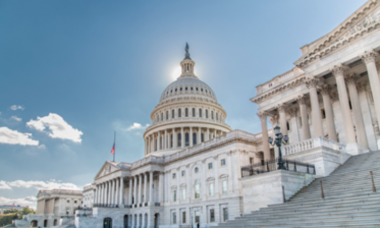
Who Governs and Why It Matters
There are many facets that go into running a nation. Like a business, it takes personnel, budgeting, planning, and many departments to manage a government. Have you ever wondered where government authority originated?
Read More
Publicly Funded Education
The landscape of public education in the U.S. has undergone significant transformations since its inception. Understanding this helps provide insight into current challenges and opportunities within the system.
Read More
Educating the Next Generation
Currently, the Department of Education’s primary responsibilities include administering federal funding to schools, enforcing educational laws, collecting and analyzing data, and ensuring equal access to quality education for all students. While its role is significant, it does not operate schools directly; rather, it supports state and local education agencies through grants and funding programs.
Read More
Protecting Our Elders and Disabled
Established in 1935 during the Great Depression, Social Security was created to provide financial support to elderly Americans who had lost their savings and livelihoods. The program planned to offer a safety net for retirees, guaranteeing they had a source of income in their later years. Over time, Social Security expanded to include benefits for survivors and individuals with disabilities.
Read More
Taxation With Representation
Taxes have been part of life and serve as a means for governments to fund public services and infrastructure. In the U.S., taxation became a central issue during the American Revolution, with colonists protesting British taxes without representation
Read More