


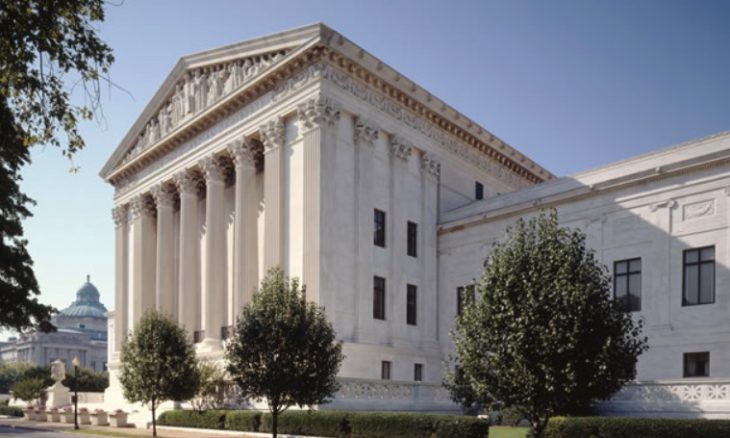
The Supreme Court majority stated that the FCC’s decision to impose fines on two major companies was in line with the Constitution.
The Supreme Court issued a ruling in a case between the Federal Communications Commission (FCC) and AT&T and Verizon. The suit was filed after the FCC issued forfeiture notices against the two communications companies for failing to protect users’ location data. AT&T and Verizon challenged the FCC notices as unconstitutional in federal court rather than wait for the Department of Justice to act on collecting millions in liability and fines.
The Supreme Court decided, with a lone dissent from Justice Clarence Thomas, that the FCC’s process for addressing such issues is not unconstitutional. The majority’s reasoning was that the FCC must go to court to enforce any fines, thereby preserving the companies’ right to a jury trial.
Chief Justice John Roberts wrote for the majority, “If the carriers elect not to pay and await an enforcement action, and the [Justice] Department decides never to bring one, then the carriers’ jury right does not attach in the first place.”
As the Lord Leads, Pray with Us…
- For the Justices on the Supreme Court as they deliberate over outstanding cases and issue opinions that impact the enforcement of U.S. laws.
- For Chairman Carr and members of the FCC as they work to protect citizens’ privacy and sensitive information.
Sources: Roll Call, MSN