
Ballot measures, public participation, and the balance between direct decision-making and long-term governance
PRAY FIRST for our leaders to faithfully seek God’s wisdom in how to address the concerns of the nation and evaluate the desires of the public.
The one who states his case first seems right, until the other comes and examines him. Proverbs 18:17
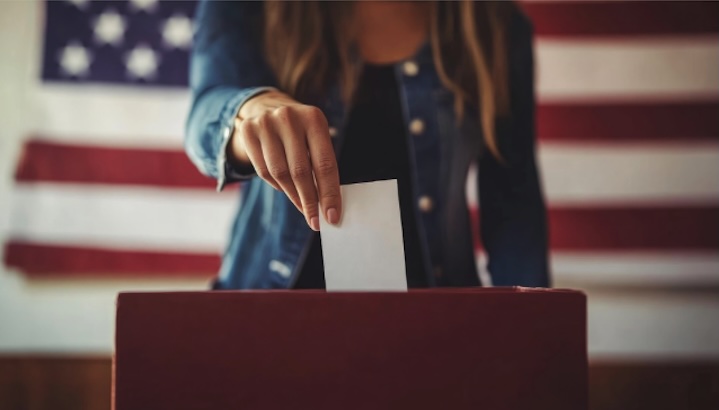
In many states, voters participate not only in choosing elected officials but also in deciding specific laws and constitutional changes through ballot measures. These processes give the public a formal role in shaping policy outcomes, operating alongside rather than replacing legislative decision-making. While legislatures remain the primary venue for drafting and debating laws, ballot initiatives and other voter-initiated measures provide an additional mechanism for voters to decide specific policy questions.
Subjects addressed through ballot measures can vary widely. Some proposals involve taxation, education funding, healthcare, or infrastructure. Others focus on constitutional amendments or policy areas that legislatures may be reluctant to address directly. Oftentimes, supporters pursue ballot initiatives when they believe public sentiment is clearer or more immediate than legislative action. As the National Conference of State Legislatures notes, this pathway can give voters a direct role in resolving significant policy debates.
However, because these proposals vary so widely, states differ substantially in how measures qualify for the ballot. Some require large numbers of signatures collected across multiple regions; others set lower limits or shorter timelines. These differences reflect varying ideas about accessibility, administrative capacity, and the need to demonstrate broad support before a proposal reaches voters. Stricter requirements may be framed as protections against narrow interests, while more accessible systems stress participation and responsiveness. Together, these approaches demonstrate how states balance openness with rules and requirements.
Clarity in ballot language is necessary, especially because ballot measures can involve complex legal or fiscal implications. Many states require a review by courts, election officials, or legislative offices to ensure summaries are accurate and not misleading. Even with these safeguards, summarizing long or complicated policy changes for the ballot can prove to be a real challenge. Small shifts in wording can influence how voters understand a proposal’s practical effects.
This complexity makes public education especially important. Voters are often asked to consider proposals that carry long-term effects on budgets, governance, or regulatory systems. Nonpartisan voter guides, explanatory pamphlets, and informational websites can help separate straightforward descriptions from campaign messaging. Transparency in campaign funding also matters, and many states require disclosure of major donors supporting or opposing ballot initiatives so voters can see who is backing a proposal and for what reasons.
At the same time, ballot measures can reshape the relationship between voters and elected officials. Supporters often view direct democracy as a way to increase civic participation and allow voters to address issues that legislatures have delayed or avoided. Critics, however, caution that complicated policy questions may be difficult to resolve through brief campaign cycles and simplified ballot summaries. Measures approved by voters can also create long-term budget obligations or administrative demands that extend well beyond Election Day.
Courts sometimes become involved after measures are passed, particularly when questions arise about constitutionality or implementation. Judicial review reflects another layer of checks and balances within the system. Even when voters approve a proposal, courts may still review whether it aligns with state or federal constitutional requirements. These reviews can frustrate supporters or opponents, yet they also demonstrate that direct democracy operates within broader constitutional structures.
Looking ahead, technology may reshape how we engage with ballot measures. Digital tools can expand access to explanatory materials, fiscal analyses, and historical context. Civic technology platforms may help us compare proposals or track funding sources more easily. Still, greater access to information does not guarantee a deeper understanding. The challenge remains helping us, as voters, evaluate complex proposals carefully rather than responding only to slogans or advertising.
States with long histories of direct democracy offer lessons in both opportunity and caution. Ballot measures can encourage participation and give citizens a stronger sense of involvement in governance. They also require systems that promote transparency, close consideration, and broad public input. Without those guidelines, crowded ballots or confusing proposals can weaken public confidence rather than strengthen it.
Ultimately, ballot measures reflect an ongoing effort to involve citizens more directly in public decision-making. They ask voters to consider tradeoffs, costs, and long-term consequences. The process functions best when participation is informed, transparent, and grounded in clear evaluation.
State and Federal Action this Election Cycle
State and federal governments in 2025 and 2026 took several steps to clarify how voters participate in ballot measures, largely in response to rising litigation, administrative disputes, and public confusion about initiative processes. At the state level, legislatures focused on refining election procedures, especially around voter registration, mail‑ballot rules, and signature verification, to make the mechanics of participating in ballot measures more predictable. Some states, such as Arizona, expanded public‑education requirements by mandating official informational sessions once an initiative qualified for the ballot. These efforts were designed to help voters understand their role not only as participants in elections but also as direct lawmakers through the initiative process.
Federal actions also shaped the landscape. Executive orders issued in 2025 attempted to change mail‑ballot deadlines and citizenship‑documentation requirements, prompting immediate legal challenges from multiple states. While many provisions were blocked or paused, the disputes forced states to clarify their own procedures and articulate where federal authority ends and state authority begins. This period highlighted the tension between federal oversight and state autonomy in election administration, pushing states to define voter roles more explicitly in their statutes and guidance.
Courts played an equally significant role in shaping voter‑backed initiatives. State supreme courts in places like Arizona reaffirmed that the initiative power is coequal to legislative power, limiting the ability of local governments to block or reclassify citizen‑driven measures. These rulings strengthened voters’ authority to place laws on the ballot and clarified the boundaries between administrative and legislative actions. Other state courts, such as Washington’s, upheld procedures like signature verification, reinforcing the idea that voter participation must coexist with administrative safeguards.
At the national level, the U.S. Supreme Court influenced initiative processes through procedural rulings. In Bost v. Illinois State Board of Elections (2026), the Court held that candidates and stakeholders may challenge election laws before an election occurs. This shift encourages earlier resolution of disputes that could affect ballot measures, reducing post‑election uncertainty but increasing the volume of pre‑election litigation. Courts also shaped the timing of initiatives, as seen in Oklahoma, where judicial and administrative decisions delayed a minimum‑wage measure to a lower‑turnout primary, demonstrating how procedural rulings can alter the political impact of voter‑backed proposals.
Together, these developments show a period of intense legal and administrative activity aimed at clarifying how voters engage with ballot measures. Governments refined rules, courts defined constitutional boundaries, and both levels of authority responded to growing public scrutiny of election systems.
Why It Matters and How We Can Respond
Ballot measures often shape policies that last far beyond a single election cycle. Because these proposals can influence budgets, laws, and even constitutional structures, understanding them requires more than a quick look at campaign messaging. Taking time to engage with the details becomes part of responsible civic participation.
Scripture reminds us about the value of discernment, godly discernment: “The one who states his case first seems right, until the other comes and examines him” (Proverbs 18:17). In a season filled with competing claims, looking at information from more than one angle can help us avoid drawing conclusions too quickly.
In practice, this may mean reading official voter guides, reviewing fiscal analyses, and/or consulting several reputable sources before casting a vote. It may also mean approaching conversations about ballot questions with patience, recognizing that disagreement does not necessarily reflect poor motives. Many proposals involve real tradeoffs, and steady, respectful dialogue can create room for understanding even when perspectives differ.
When discussions grow tense, we are encouraged to respond with restraint: “A fool gives full vent to his spirit, but a wise man quietly holds it back” (Proverbs 29:11). Responding calmly, asking sincere questions, and resisting unnecessary hostility can help keep conversations constructive.
Prayer also influences how we approach these decisions. We can pray for wisdom for voters considering complex proposals, for honesty and clarity in public communication, and for our own conversations to remain measured and grounded in integrity.
“Let your reasonableness be known to everyone” (Philippians 4:5). Direct democracy depends not only on the systems that bring issues to the ballot but also on the character we bring to the process. Ballot measures may place policy questions before voters, but how we engage those questions matters just as much.
HOW THEN SHOULD WE PRAY:
— Pray for all Americans to act with self-control and patience in civic conversations. A fool gives full vent to his spirit, but a wise man quietly holds it back. Proverbs 29:11
— Pray that, as believers, our public witness reflects Christlike character. Let your reasonableness be known to everyone. Philippians 4:5
CONSIDER THESE ITEMS FOR PRAYER:
- Pray for God to guide election officials as they put together accurate and accessible voter education materials.
- Pray for a spirit of transparency for those drafting ballot measures, that they would clearly and honestly represent the positions.
- Pray for God to give our leaders respectful dialogue with the communities when discussing difficult proposals.
Sources: National Conference of State Legislatures, EBSCO, U.S. Election Assistance Commission
RECENT PRAYER UPDATES