


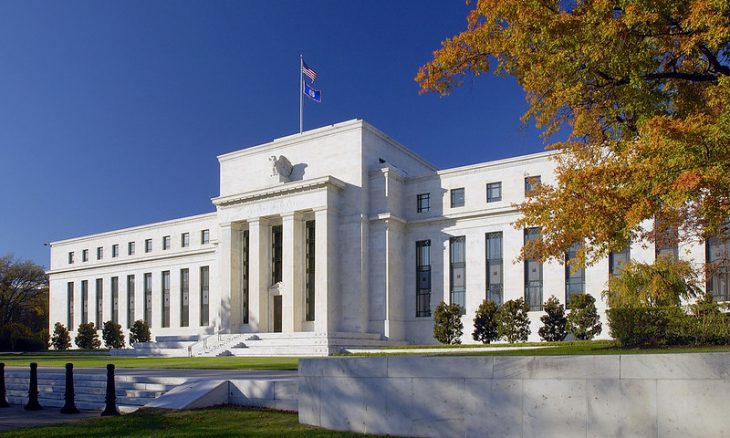
How insulated regulatory bodies function in a complex republic and why these structures matter.
PRAY FIRST for those serving in independent agencies to exercise godly discernment and integrity in fulfilling their mandates.
The heart of the discerning acquires knowledge, for the ears of the wise seek it out. Proverbs 18:15
In the U.S. federal system, some agencies are intentionally structured to stand at a measured distance from direct presidential control. These independent agencies and regulatory commissions are created by law to carry out specialized responsibilities, from financial market supervision to labor protections and communications policy, that lawmakers believe require continuity, technical depth, and a degree of insulation from shifting political winds. Prominent examples include the Federal Reserve, the Securities and Exchange Commission (SEC), the Federal Trade Commission (FTC), the Federal Communications Commission (FCC), and the National Labor Relations Board (NLRB). These bodies oversee areas ranging from financial markets and consumer protection to communications policy and labor standards, each requiring expertise and stability beyond election cycles.
Unlike executive departments, which are typically led by a single secretary removable at the president’s discretion, many independent agencies are governed by multi-member commissions. Their leaders often serve staggered, fixed terms and may only be removed for specified causes such as neglect of duty or misconduct. Bipartisan membership requirements are also common. These structural features are not accidental. They are deliberate design choices intended to prevent sudden ideological swings in regulatory policy and to preserve institutional memory across administrations.
At the heart of this structure lies a constitutional and practical judgment: certain regulatory tasks benefit from stability that outlasts election cycles. Financial regulation, telecommunications oversight, and labor standards require sustained attention to complex data, industry practices, and long-term economic consequences. Frequent leadership turnover or politically reactive rulemaking could generate uncertainty in markets and undermine consistent enforcement. Independence, consequently, is meant to support predictability and cultivate deep subject-matter expertise within the agency itself.
However, independence should not be mistaken for isolation. Agencies are established by law and operate within the limits set by that law. Their authority is defined, as well as limited, by Congress. Separation from day-to-day political direction is designed to anchor decision-making in legal mandates, technical analysis, and evidentiary records rather than immediate partisan pressures. Supporters of this model argue that if commissioners could be dismissed simply for policy disagreement, regulatory decisions might become extensions of campaign politics rather than applications of law. In this sense, insulation is framed not as resistance to democracy but as a safeguard for steady administration within it.
Still, independence raises a legitimate question: If agencies are shielded from direct political control, to whom are they accountable? The answer lies in a network of overlapping checks. Congress exercises oversight through hearings, appropriations authority, and legal revision. The president nominates agency leaders, and the Senate confirms them. Most significantly, courts review agency actions to ensure compliance with legal and constitutional boundaries.
Judicial review is especially important. When agencies exceed delegated authority, fail to follow required procedures, or offer insufficient reasoning for major policy shifts, courts may invalidate their rules. This legal supervision does not eliminate discretion, but it requires agencies to justify decisions with clarity and fidelity to governing law. Independence, then, operates within guardrails. It grants room for expertise while binding agencies to transparent reasoning and legal constraint.
Transparency itself forms another pillar of accountability. Through notice-and-comment rulemaking, agencies publish proposed regulations in the Federal Register and invite public participation before final rules take effect. Stakeholders, such as businesses, advocacy groups, scholars, and private citizens, may submit comments, data, and critiques. Agencies must respond to significant concerns raised in this process and build an administrative record supporting their conclusions.
This procedural openness is more than a technical requirement. It is a system for cultivating public trust. Access to rulemaking dockets, supporting studies, and explanatory statements enables outside observers to assess whether agencies are acting thoughtfully or arbitrarily. When explanations are clear and records accessible, independence appears less unclear and more ethical.
Evaluating independent agencies over time requires attention to both outcomes and process. Essentially, do their regulations achieve legal goals without imposing unnecessary burdens? Procedurally, do they reason carefully, rely on evidence, and remain responsive to judicial and congressional feedback? Debates over agency authority in recent decades, particularly concerning delegation and executive influence, emphasize the continuing tension between expertise and democratic control. Reform proposals often seek not to dismantle independence but to refine it: clarifying statutory mandates, strengthening reporting obligations, or reassessing removal protections.
The enduring challenge is to preserve professional judgment while sustaining public confidence. Expertise without accountability risks detachment; accountability without expertise risks volatility. The architecture of independent agencies represents an attempt—imperfect but intentional—to hold these goods together.
A Year of Federal Action
Independent agencies in 2025–2026 continued to play an important role in federal governance, while the level of executive branch oversight during this period increased compared with previous years. President Trump’s Executive Order 14215, issued in February 2025, stated that all executive power is vested in the president and directed all federal agencies, including those traditionally considered independent, to operate under presidential supervision. The order required agencies to submit draft regulations for White House review, removed long‑standing exemptions for independent regulators, and instructed them to follow legal interpretations issued by the president or attorney general.
This development altered the working relationship between the presidency and independent agencies such as the Federal Trade Commission, Securities and Exchange Commission, and Federal Communications Commission. Some analysts expressed concern that the order could limit the degree of autonomy historically associated with these bodies, noting that it required agency rulemaking to be reviewed in advance by the president and aligned with executive legal interpretations. By 2026, observers differed in their assessments, with some concluding that these agencies operated with less institutional insulation than in previous decades.
These changes contributed to a regulatory landscape characterized by more centralized presidential direction and greater policy alignment across agencies. They also prompted ongoing discussion about constitutional boundaries, separation of powers, and the long‑term implications for independent regulatory governance in the United States.
Why It Matters and How We Can Respond
This subject may appear technical, yet it touches everyday life. Regulatory decisions shape mortgage markets, workplace standards, communications access, and consumer protections. Most of us will never attend a rulemaking hearing or read an administrative record in full. Therefore, trust becomes central. When institutions demonstrate steadiness, legal fidelity, and transparency, they contribute to a broader sense that public authority is exercised responsibly.
As Christians, this conversation intersects with the call to careful discernment, godly discernment. Scripture counsels restraint and thoughtful judgment: “Whoever is slow to anger has great understanding, but he who has a hasty temper exalts folly” (Proverbs 14:29). In a climate where institutional distrust can spread quickly, patience and attentiveness become quiet acts of stewardship.
This means resisting reflexive reactions to headlines about regulatory decisions. Instead of assuming overreach or incompetence, we can examine primary sources, read agency explanations, or consider judicial opinions that assess contested rules. Such habits cultivate informed engagement rather than suspicion.
Prayers also shape civic engagement. We may ask God to grant wisdom and integrity to those assigned with regulatory authority—recognizing the complexity of their responsibilities. We can pray that we begin to seek understanding before forming conclusions. “The heart of the discerning acquires knowledge, for the ears of the wise seek it out” (Proverbs 18:15).
When disagreements arise in public conversation, our tone matters as much as our analysis. “Let your reasonableness be known to everyone” (Philippians 4:5). Independent agencies and regulatory commissions may seem distant, but our responses (to policy, to institutions, and to one another) help shape the civic culture in which those institutions operate.
HOW THEN SHOULD WE PRAY:
–Pray for God to be at work in our leaders to foster openness and clarity in regulatory processes so that decisions are understandable and accountable. Whoever walks in integrity walks securely, but he who makes his ways crooked will be found out. Proverbs 10:9
–Pray for all Americans to engage thoughtfully and speak with measured clarity in discussions about governance. Let your reasonableness be known to everyone. Philippians 4:5
CONSIDER THESE ITEMS FOR PRAYER:
- Pray for those that head supervisory agencies to act with integrity and objectivity.
- Pray that those setting institutional reform will be strengthened by both expertise and accountability.
- Pray for God to be at work in our leaders as they pursue public dialogue about regulatory authority and that they voices would be grounded in accuracy and mutual respect.
Sources: White House, Congressional Research Service, Justia Administrative Law Center, LegalClarity.org, Democracy Forward, Federal Register, Carlton Fields
RECENT PRAYER UPDATES