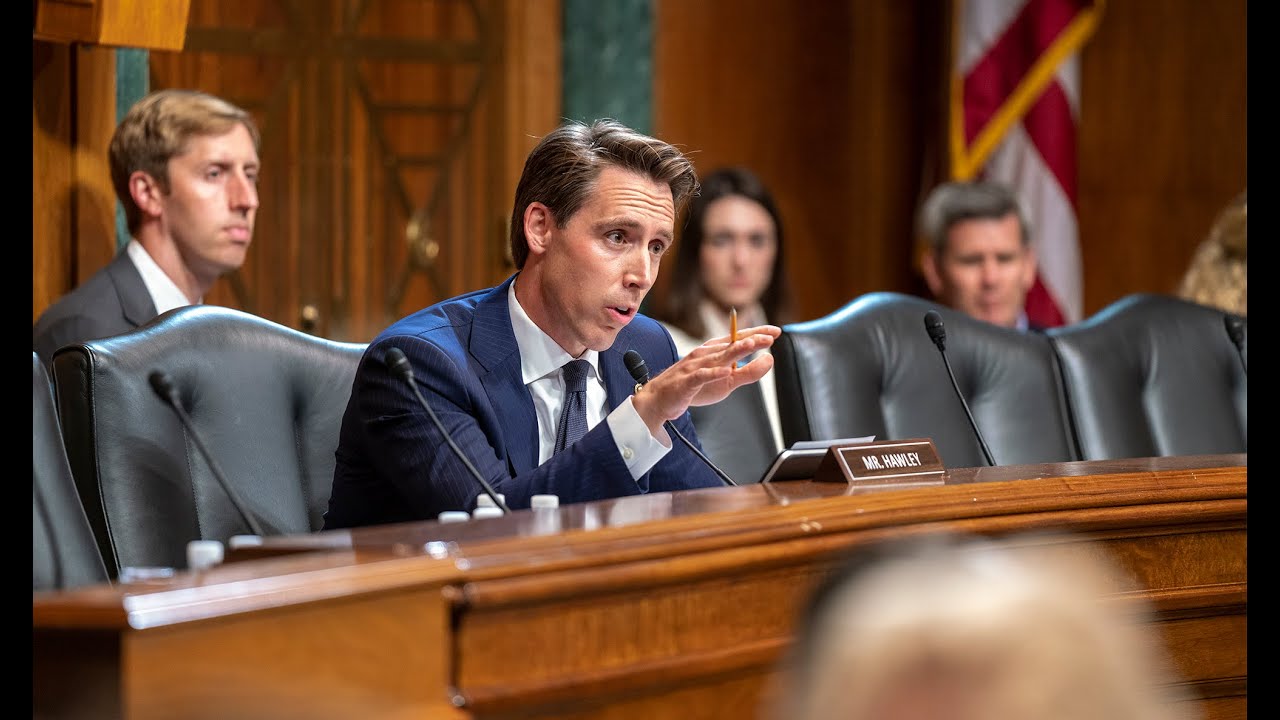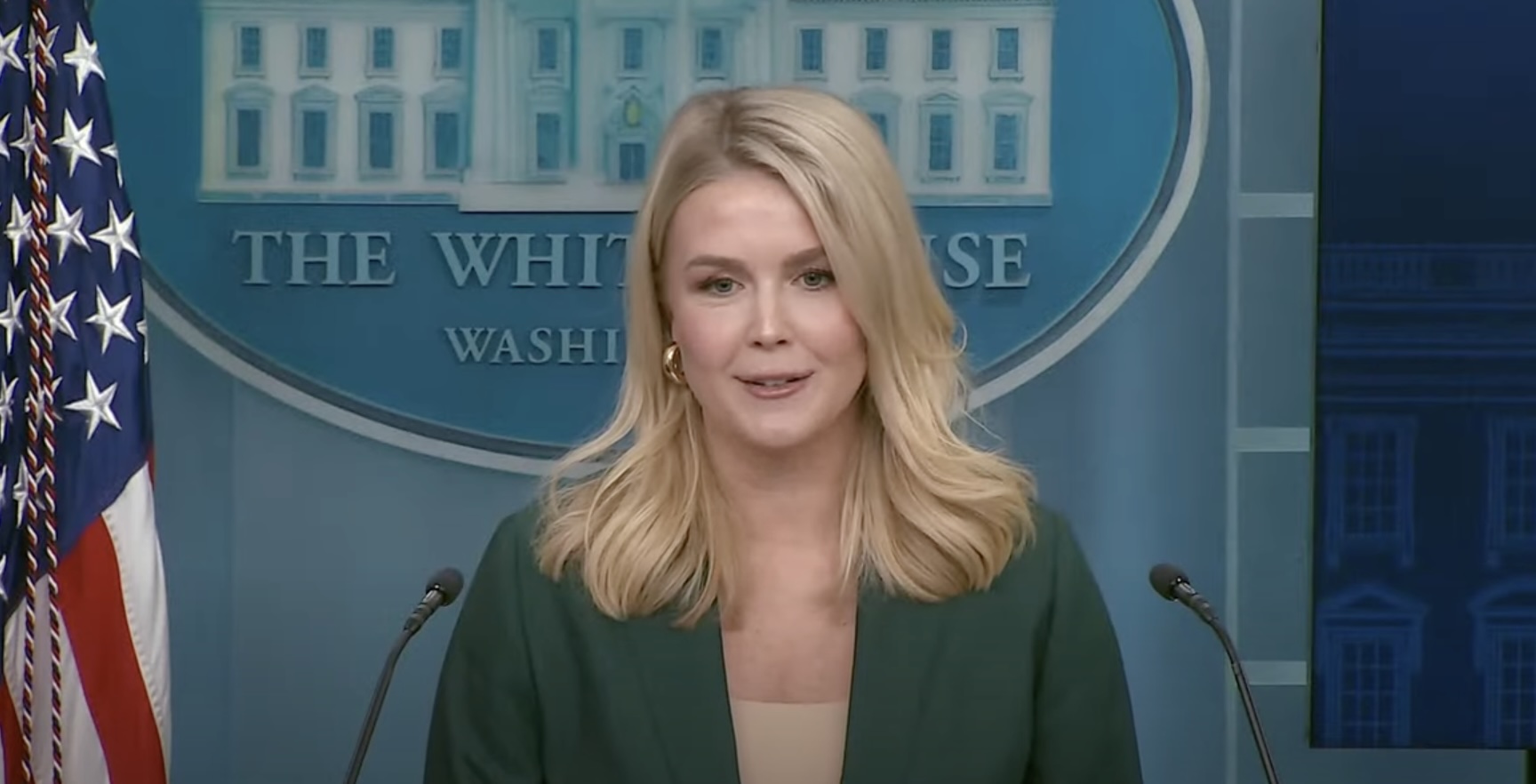


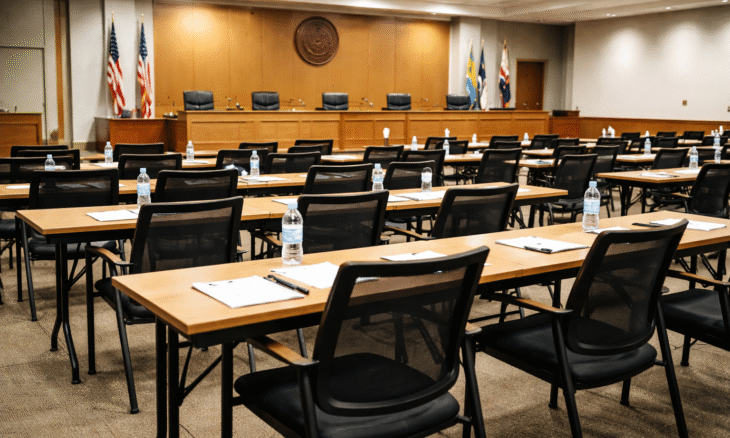
The Public Comment process gives you and me a seat in government decision-making.
PRAY FIRST for American citizens to be empowered with wisdom, clarity, and endurance to speak thoughtfully into public decisions.
Let the wise hear and increase in learning, and the one who understands obtain guidance. Proverbs 1:5
In the U.S., federal rulemaking can feel distant, technical, and dominated by experts. Yet embedded in this process is a remarkable democratic tool: public comment. It’s an opportunity for individuals, groups, and communities to speak into proposed regulations that, once finalized, carry the force of law. But does this really give everyday citizens a voice? What is public comment meant to do, and how can we meaningfully participate beyond the ballot box?
What Is Public Comment and Why It Exists
Public comment is part of the notice-and-comment rulemaking process required by the Administrative Procedure Act (APA) of 1946. When a federal agency proposes a new rule or changes an existing one, it must publish a notice of proposed rulemaking in the Federal Register and invite the public to submit comments within a set period, often 30–60 days. Agencies are then required to consider all relevant public input before issuing a final rule.
This system was created not merely as a bureaucratic formality but as a democratic check on the executive branch power. By allowing “interested persons” to present data, views, or arguments, the APA guarantees that governance is informed by those affected by it and not just those inside the government.
Public comment fits into democratic participation by extending civic engagement beyond voting and elected representation. It acknowledges that members of the public often see consequences of policy firsthand—whether small business owners encountering new labor rules or families navigating environmental standards. Citizens can submit their perspectives directly to the agencies tasked with writing the details of statutes passed by Congress.
Visibility, Barriers, and Access
Despite its importance, most Americans never hear about public comment opportunities—much less participate. Proposed rules are listed in the Federal Register and on Regulations.gov, which is a government portal where anyone can submit comments for participating agencies to review.
However, awareness is sometimes uneven. Many people learn about open comment periods only by chance or through media, advocacy organizations, or email alerts they have subscribed to. Technical language, long documents, and tight deadlines can make participation feel almost impossible for those without policy experience or legal training.
Barriers such as time constraints, unfamiliarity with regulatory language, and unclear submission processes can discourage citizens who might otherwise contribute valuable insights. Improving access—for example, through plain-language summaries, broader outreach, and multilingual materials—could help agencies reach more voices without reducing the rigor of the process.
When Public Input Makes a Difference
Public comment is not simply symbolic. Research and government reports show that agency rule writers often meaningfully adjust regulations based on public feedback. A Government Accountability Office (GAO) survey of multiple agencies found that the comment process led to substantive changes in many final rules compared with initial proposals.
These agencies distinguish between types of comments by assessing which are fact-based, detailed, and tied to the proposal’s substance. While a high volume of comments can raise visibility, quality matters more than sheer quantity—well-reasoned arguments and concrete evidence are more useful for agency staff when analyzing potential revisions.
Nevertheless, transparency about how input affects decisions varies. Agencies are generally required to publish a response to comments—sometimes in summary form—in the final rule’s preamble. However, accessibility and clarity of these responses can differ across rulemakings, and not all changes explain clearly how public feedback shaped outcomes.
Who Speaks and Who Is Heard
Not everyone participates in the public comment process to the same degree. Researchers have found that organized groups, professional associations, and others with more time or resources tend to submit the bulk of comments, while individual citizens often take part less frequently. This uneven participation makes it harder for agencies to hear the full range of perspectives from people who may be directly affected by potential regulations but are less likely to engage.
Public comment gives people the chance to weigh in on policies well before they are finalized. While no one is expected to respond to every proposal, even a few thoughtful comments can help agencies understand real‑world impacts they might otherwise overlook. As participation grows over time, it can also reinforce trust in the rulemaking process by showing that it’s open not only to experts, but to anyone who chooses to share their perspective.
Over time, bringing more awareness and encouraging more people to take part in the comment process can help strengthen confidence in how rules are made. When citizens see that agencies consider a range of perspectives—not just those from experts or organized groups—it reinforces the idea that policymaking is open to anyone who chooses to participate.
Federal Action This Year
Over the last year, the federal government has made concerted efforts to strengthen and encourage public participation in the notice‑and‑comment rulemaking process have largely focused on expanding access, improving transparency, and actively inviting public engagement across major regulatory actions. Agencies continued to rely on Regulations.gov as the central platform for submitting comments, and the site’s guidance materials—such as its “Commenting Guidance” page—remained a key tool for helping the public understand how to participate effectively. This ongoing investment in a unified, user‑friendly portal reflects a sustained federal commitment to the Administrative Procedure Act’s core principle of open participation.
Several major rulemakings in 2025 explicitly emphasized public comment as a central part of the process. For example, the Department of Homeland Security’s 2025 Public Charge Notice of Proposed Rulemaking drew more than 8,800 public comments, demonstrating both the government’s active solicitation of input and the public’s willingness to engage. The docket materials show that DHS clearly encouraged participation through Regulations.gov, reinforcing the APA’s requirement that agencies meaningfully consider public views before finalizing rules.
Beyond the executive branch, the Judicial Conference of the United States—which oversees federal court procedural rules—opened an unusually broad public comment period running from August 2025 through February 2026. Proposed amendments across multiple rule sets (Appellate, Bankruptcy, Civil, Criminal, and Evidence) were published with opportunities for written comments and public testimony. Although these committees are not governed by the APA, their rulemaking process mirrors APA principles, and the extended comment period represents a significant federal effort to invite public participation in shaping national procedural rules.
Independent agencies also continued to encourage public comment. The Federal Reserve Board, for instance, maintained its practice of publishing proposed rules with clear “Submit Comment” options, public disclosure policies, and accessible docket materials. This approach supports transparency and ensures that the public can meaningfully weigh in on financial regulatory proposals.
Finally, the Department of Education’s 2025 negotiated rulemaking process—while distinct from APA notice‑and‑comment—served as an upstream mechanism for public engagement. The Department held public hearings and issued Federal Register notices inviting input before drafting proposed rules. These steps broadened participation early in the regulatory process, complementing the formal comment periods that follow under the APA.
Together, these actions show that in 2025 and 2026, the federal government continued to support and encourage public participation in rulemaking through accessible digital platforms, explicit invitations for comment on major proposals, extended comment periods, and public hearings. The result is a regulatory environment that remains closely aligned with the APA’s foundational goal of ensuring that the public has a meaningful voice in federal policymaking.
Why It Matters and How We Can Respond
Public comment is not simply a procedural opportunity. It’s a chance to practice attentiveness and responsibility in public life. Speaking into policies that shape everyday realities—health, safety, work, and community—can be an expression of care rather than contention. Thoughtful engagement, careful listening, and truthful responses show a willingness to act with care for others without insisting on control over outcomes. Scripture reminds us “If possible, so far as it depends on you, live peaceably with all” (Romans 12:18). When public conversations become distorted or incomplete, we are called not to amplify fear or dismiss others, but to offer clarity with humility and patience. Participation shaped by prayer reminds us that our role is not to dominate public discourse but to contribute faithfully, trusting that God remains present and active even within slow, imperfect systems.
HOW THEN SHOULD WE PRAY:
— Pray for federal leaders to seek godly humility and patience in public conversation. A soft answer turns away wrath, but a harsh word stirs up anger. Proverbs 15:1
— Pray for those in authority to listen deeply and reflectively to all voices. Incline your ear, and hear the words of the wise. Proverbs 22:17
CONSIDER THESE ITEMS FOR PRAYER:
- Pray that citizens, including yourself, would grow in civic understanding and take part wisely and responsibly in the opportunities our nation provides.
- Pray that government agencies would communicate clearly and make important information easy for the public to find and understand.
- Pray that communities would approach challenges with patience, seeking understanding and truth rather than responding hastily.
Sources: Administrative Procedure Act requirements, General Services Administration, Regulatory Studies Center, U.S. Government Accountability Office, Regulations.gov, Federal Rregister, United States Courts, Federal Reserve Board, Department of Education
RECENT PRAYER UPDATES