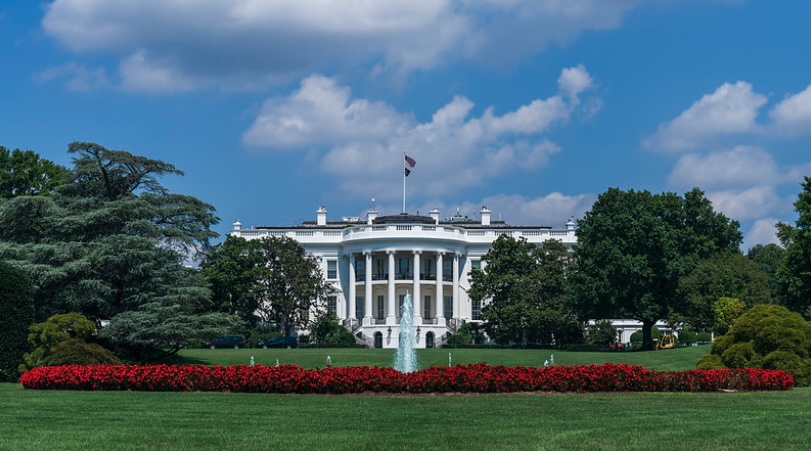



America’s history of prayer as a thread woven through the years
PRAY FIRST for those entrusted with authority to seek God’s direction through prayer that they may govern with restraint, honesty, and awareness of their limits.
When pride comes, then comes disgrace, but with the humble is wisdom. Proverbs 11:2
As the U.S. approaches its 250th year, conversations about national identity often focus on institutions, laws, and conflicts. Less frequently discussed, but quietly persistent, is the role prayer has played in public life. From the nation’s earliest days, moments of collective prayer have surfaced not as political tools, but as expressions of humility in times of uncertainty, grief, and moral evaluation.
Prayer’s presence in American history does not signal uniform belief or agreement. Instead, it reflects a recurring impulse: when circumstances exceed human control, leaders and citizens alike have turned toward dependence rather than certainty.
Laying a Foundation of Prayer
One of the earliest examples came even before this nation’s independence. In 1775, as tensions escalated with Britain, the Continental Congress called for a day of “public humiliation, fasting, and prayer,” urging colonists to humble themselves before God, fast and pray for wisdom and strength, and seek forgiveness for their sins as they asked for divine favor in their struggle for liberty. This act reflected the deep religious convictions of many leaders and the belief that national success depended on moral and spiritual integrity. It also served as a unifying gesture across the colonies, reinforcing a sense of shared purpose. Churches held special services, and many colonists observed the day seriously. Such proclamations continued throughout the Revolutionary War, emphasizing the role of faith in public life.
That stance continued during the nation’s founding. In George Washington’s First Inaugural Address, housed in the National Archives, he acknowledged “the propitious smiles of Heaven” as essential to national success, framing leadership as accountable to something higher than ambition. His later proclamation of a national day of thanksgiving emphasized gratitude, repentance, and civic responsibility rather than triumphalism.
Prayer as a Response
Throughout the nineteenth century, presidents issued prayer proclamations during moments of fracture. Abraham Lincoln’s 1863 proclamation—calling for a national day of fasting and prayer—came amid the Civil War’s devastation. Lincoln spoke of national sin and collective responsibility, resisting the temptation to claim divine endorsement for either side. His words reflected restraint rather than certainty—a theme that would echo across generations.
Prayer has also emerged from outside formal government. During the civil rights movement, faith leaders such as Martin Luther King Jr. drew deeply from biblical language, prayer meetings, and public worship to sustain nonviolent resistance. These gatherings were not about political dominance, but moral endurance—spaces where fear, grief, and hope could be voiced together.
In more recent years, national prayer has surfaced during tragedy. After September 11, 2001, leaders across parties referenced prayer not as explanation but as solace. Pew Research Center noted that such moments often coincide with temporary increases in public religious expression, particularly during national crises, even as overall religious affiliation has declined. In the same week The Presidential Prayer Team was founded with the sole purpose of carrying forth the tradition of lifting up the nation and its leaders to God in prayer. What had sustained a nation for centuries was and is the only hope for sustaining it for centuries to come.
Prayer as a Calling
In 1952, amid the Korean War and a wave of spiritual revival, President Truman signed legislation establishing an annual National Day of Prayer. Since then, every president has issued a proclamation, often calling for unity and peace, underscoring prayer’s unwavering role in American life.
This history suggests something important: prayer in public life has rarely been about control. More often, it has appeared when control felt absent—during war, injustice, disaster, or transition. Prayer has functioned less as an answer and more as an acknowledgment of human limits.
Looking Ahead
Today, this thread of prayer continues. As part of America 250, President Trump invited religious communities to dedicate weekly prayer to recommit the nation to being “one nation under God.” This initiative seeks spiritual renewal leading up to the semi-quincentennial as a call to reflection, repentance, and hope when confidence alone proves insufficient.
Prayer has never guaranteed unity or righteousness. Yet, time and again, it has offered space for humility and healing, reminding America that its greatest strength lies not in certainty, but in seeking divine wisdom together.
Why It Matters and How We Can Respond
As followers of Christ, this history invites humility rather than ownership. Scripture reminds us that “it is better to take refuge in the Lord than to trust in princes” (Psalm 118:9). Prayer is not a claim that God belongs to a nation but a confession that no nation governs wisely without restraint.
In a fractured civic climate, remembering prayer’s historical role can shape how we as believers engage today: listening before asserting, confessing before condemning, and seeking wisdom rather than victory. The legacy we inherit is not one of certainty but of people returning—again and again—to dependence when the road ahead was unclear.
HOW THEN SHOULD WE PRAY:
— Pray as citizens that we would each take up our responsibility of carrying the mantal of prayer into the next generation. And call upon me in the day of trouble; I will deliver you, and you shall glorify me. Psalm 50:15
— Pray that all in authority seek truth with wisdom and patience, responding thoughtfully rather than reactively. Teach me your way, O Lord, that I may walk in your truth; unite my heart to fear your name. Psalm 86:11
CONSIDER THESE ITEMS FOR PRAYER:
- Pray that God’s hand guides those in federal, state, and local offices, giving them open hearts and minds and receive His voice.
- Pray that Americans across the nation call upon God not only in times of trouble but also in seasons of peace, continually seeking His perfect will.
- Pray for the next generation of leaders, that they too would, with humility, recognize the power of prayer and its importance in shaping the nation as we know it.
Sources: Archives.gov, Pew Research, Abraham Lincoln Online, The Martin Luther King, Jr. Research and Education Institute, Stanford University,
RECENT PRAYER UPDATES